Basic Roux (White, Blond, Medium, and Dark) Recipe
Introduction
Mastering a basic roux is essential for creating rich sauces, soups, and gravies. This simple mixture of flour and fat can be cooked to different colors—white, blond, medium, and dark—each adding a unique flavor and thickness to your dishes.
Ingredients
- 1 cup all-purpose flour
- 1 cup fat (butter, neutral oil, or bacon fat)
Instructions
- Step 1: Read notes carefully; the type and amount of fat depend on your recipe.
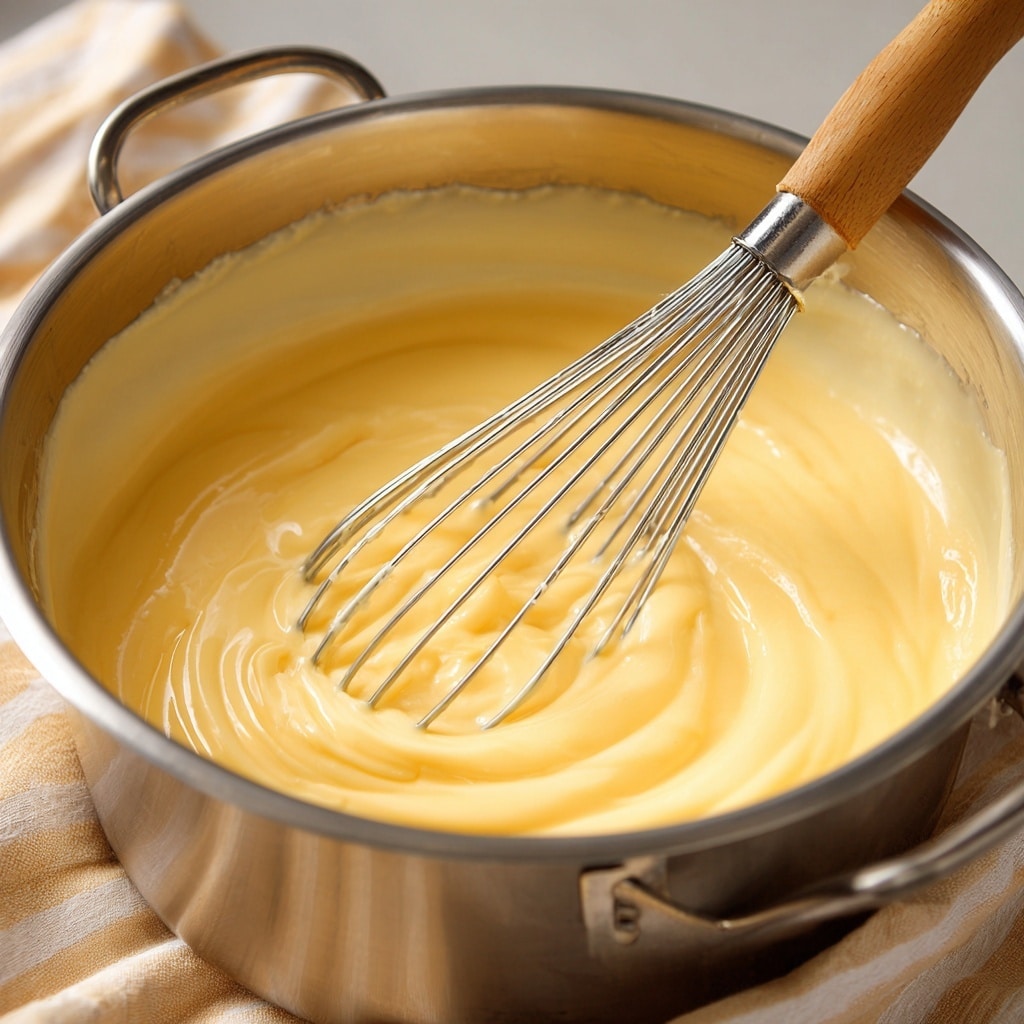
- Step 2: In a heavy-bottomed skillet or Dutch oven, warm the fat over medium heat. Whisk in the flour until smooth.
- Step 3: Stir constantly. Use a whisk for lighter roux or a flat-ended wooden spoon or silicone spatula for darker roux, scraping the pan’s edges and bottom.
- Step 4: For white roux, cook until pale and the raw flour taste disappears, about 2–5 minutes.
- Step 5: For blond roux, cook until golden blond, approximately 5–10 minutes.
- Step 6: For peanut butter roux (light-medium brown), cook until the color deepens, about 12–20 minutes.
- Step 7: For dark roux, cook until a dark chocolate brown color develops, around 30–60 minutes.
- Step 8: Use immediately in your dish or let cool. Remove from the pan before cooling to prevent continued darkening.
Tips & Variations
- Use butter for a rich, classic flavor or bacon fat for a smoky twist.
- Cook slowly and stir constantly to avoid burning and ensure an even color.
- Adjust cooking time based on the desired roux color and flavor intensity.
Storage
Let the roux cool completely before transferring to an airtight container. Store in the refrigerator for up to 1 week. Reheat gently over low heat, stirring frequently. Avoid overheating to prevent burning.
How to Serve
Serve this delicious recipe with your favorite sides.
FAQs
Can I use oils other than butter or bacon fat for roux?
Yes, neutral oils like vegetable or canola oil work well, especially if you want a less flavored roux.
How do I know when the raw flour taste is gone?
The roux will change color slightly and develop a nutty aroma—this indicates the raw flour taste has cooked out, particularly for white or blond roux.
PrintBasic Roux (White, Blond, Medium, and Dark) Recipe

This recipe guides you through making a basic roux, a versatile foundational mixture of flour and fat cooked to varying colors and depths of flavor. Whether you need a white, blond, peanut butter, or dark roux, this essential technique enriches sauces, soups, and stews with a rich, nutty base.
- Prep Time: 5 minutes
- Cook Time: 2 to 60 minutes depending on roux color desired
- Total Time: 7 to 65 minutes
- Yield: Approximately 2 cups of roux 1x
- Category: Sauce Base
- Method: Stovetop
- Cuisine: French
Ingredients
Ingredients
- 1 cup all purpose flour
- 1 cup fat (butter, neutral oil, or bacon fat)
Instructions
- Prep: Before you start, read the notes carefully. The type and amount of fat you use will depend on what dish you are preparing.
- Whisk: In a heavy-bottomed skillet or Dutch oven, warm the fat over medium heat. Whisk in the flour gradually until the mixture is smooth and lump-free.
- Stir: Stir constantly using a whisk for lighter roux varieties to prevent clumping, or use a flat-ended wooden spoon or silicone spatula for darker roux to better scrape the pan edges and bottom.
- White Roux: Cook the roux until it is pale and the raw flour taste is gone, about 2 to 5 minutes.
- Blond Roux: Continue cooking until the mixture develops a golden blond color, approximately 5 to 10 minutes.
- Peanut Butter Roux: Cook longer, until the roux takes on a light to medium brown color resembling peanut butter, about 12 to 20 minutes.
- Dark Roux: For a deep, chocolate brown color and nutty flavor, cook the roux for 30 to 60 minutes, stirring constantly to avoid burning.
- Use: Use your roux immediately in your recipe, or let it cool before storing. Remove it from the pan so it doesn’t continue to cook and darken further.
Notes
- The fat type affects the flavor and suitability for different dishes; butter works well for creamy sauces, bacon fat adds smokiness, and neutral oils are adaptable.
- Constant stirring is crucial to prevent the roux from burning, especially for darker versions.
- Cooking times vary depending on desired color: lighter roux cooks faster, darker roux takes longer and requires patience.
- You can store cooled roux in the refrigerator for future use; allow it to come to room temperature before adding to hot dishes.
Keywords: basic roux, white roux, blond roux, dark roux, peanut butter roux, sauce base, French cooking, thickening agent